What Is Personal About My Approach to Hypnotherapy
🇫🇷 Lire la version française de cet article
In this article, I address the question: « What personal touch do you bring to your practice? » This question was asked of me during my university studies in clinical psychology (Paris 8).
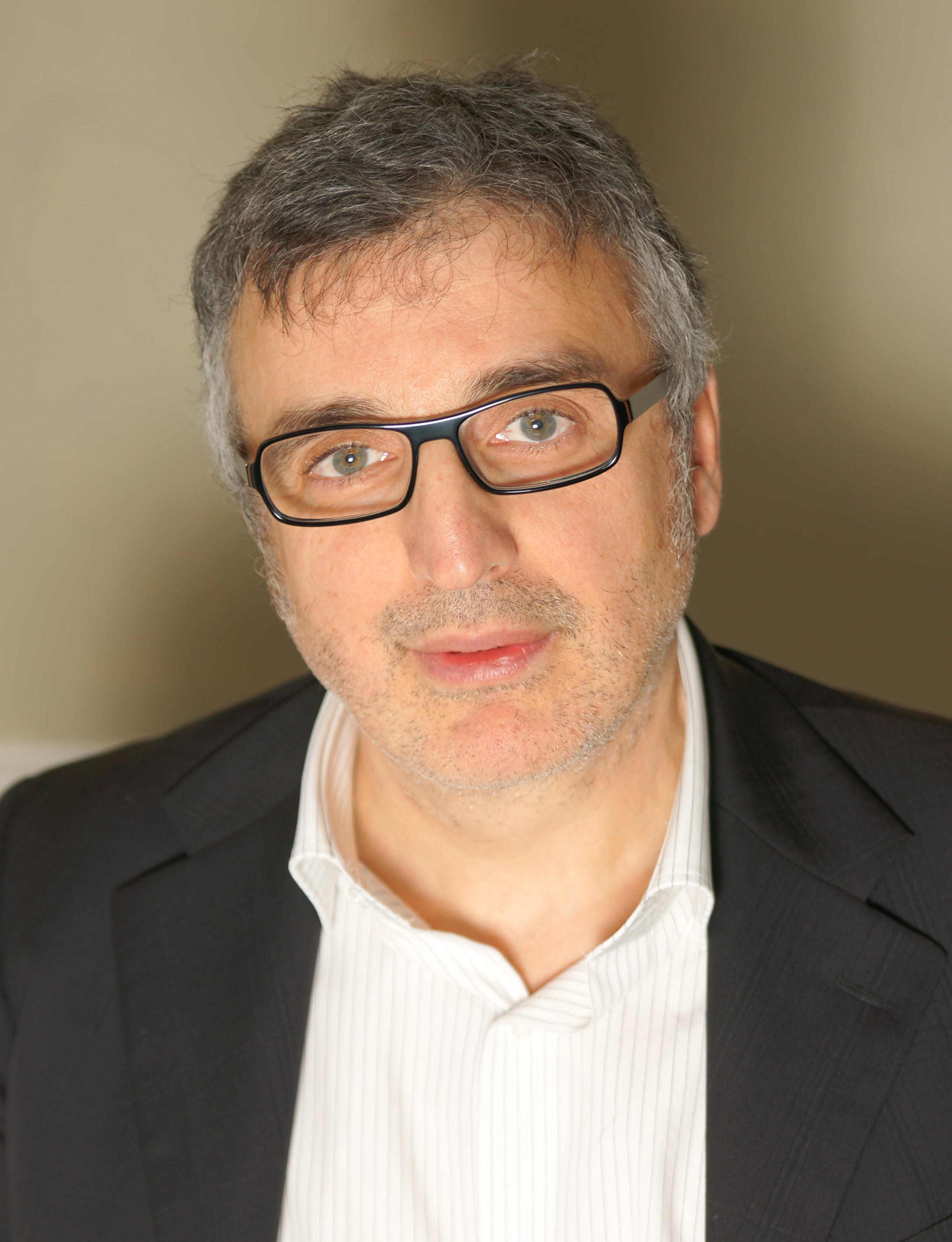
Article by Jean Touati, hypnotherapist
Over the years, my practice of hypnotherapy with many patients has led me to develop a distinctive approach. My therapeutic practice is grounded in Ericksonian hypnosis and incorporates methods and models from CBT — Cognitive Behavioral Therapy —, NLP — Neuro-Linguistic Programming — and strategic brief therapies.
I would say that what patients experience as truly personal in my approach is, first of all, my ability to quickly perceive each patient in his or her uniqueness and to establish a close relationship from the very first moments of our encounter, whether I am working with a child, a man, a woman, an older person, or a senior executive. I enjoy moving from one world to another, working with different types of disorders and difficulties; it is amusing to find myself one morning in a business setting with an executive and, in the afternoon, « playing » on the floor with a six-year-old child.
What often pleasantly surprises patients next — especially those who have already been through therapy — is this « authentic relationship » into which I invite them. It is a relationship in which the therapist does not hide behind knowledge or a professional role, but explains his approach and answers questions; where he presents himself in his full humanity, including his own vulnerabilities; where he consciously shares a part of himself and his own experience; and where humor, laughter and « play » (Winnicott, 1975) are always present. This relationship, experienced with a great deal of freedom, gives the patient a sense of intimacy, even complicity, with the therapist which, combined with the effects of the hypnotic work and its symbolic dimension, often leads to very rapid changes.
I offer fairly long sessions, lasting 1½ hours (up to 2 hours when necessary), which facilitates relatively rapid treatment (often between 3 and 7 sessions) and allows this particular relationship to develop. Above all, it is this relationship that makes the therapy possible; without it, hypnosis could remain merely a « technique ».
I found this stance again in the early writings of Sandor Ferenczi (1920–1932), where it had already felt quite intuitive to me, and more recently in Irvin Yalom (2008), in the approach he calls « existential therapy 1 »
On the other hand, I feel that hypnosis comes naturally to me. I immerse myself in the person, in their personality, their suffering and their history, in order to enter their world and, through hypnosis, guide them with a discourse enriched by metaphors, aphorisms, stories, poetry, philosophy and music, opening up pathways toward liberation. I also draw on patients' stories and on my own experience, both of which resonate with the patient's own story and very quickly help them open up to the relationship. I make extensive use of music during the hypnotic trance to support my words and deepen the emotional experience: jazz, blues, classical music, Anglo-American pop-rock. I also play guitar and sometimes sing (patients sometimes join in as well). Robert Schumann said: « Music speaks the universal language that stirs the soul in a free and indeterminate way. » This is an intuitive aspect of my work that I am beginning to explore more deeply from a theoretical perspective.
The existential approach focuses on the conflict — and the anxiety that arises from it — that occurs when individuals confront the fundamental conditions of existence. It articulates these fundamental conditions around four « ultimate concerns »: death, freedom, fundamental isolation, and the absence of meaning. The future, as it becomes actualized in the present, constitutes the primary modality of existential therapy. In this respect, it stands in radical opposition to the Freudian view that individuals are driven by defense mechanisms that counter conflicts and anxiety related to instinctual needs, and that the deepest conflicts, which therapy must excavate, are also the earliest.
Another major difference from psychoanalysis is the authentic relationship with the patient that I briefly described above. The benefits of this authentic relationship, in contrast to the « benevolent neutrality » that is a canonical feature of the psychoanalytic stance and, by extension, of the stance more generally expected of psychologists and psychotherapists, can be found running through the novels of Irvin Yalom.
back to the text Existential Therapy
Bibliography
- FERENCZI, S. (2006). Le traumatisme. Paris: Petite bibliothèque Payot. 1st edition (1920–1932)
- WINNICOTT, D. W. (1975). Jeu et réalité. L'espace potentiel. Paris: Ed. Gallimard. Collection Folio essais
- YALOM, I. (2008). Thérapie existentielle. Paris: Galaade

Horizon Podcast | Listen to the interview
🇫🇷 With Lena Champy on the Horizon Podcast - health, personal development - I invite you to discover my approach to therapeutic hypnosis: a human, often playful approach, far removed from the usual clichés.
Other articles
Jean Touati: Biography

The hypnosis I practice does not rely on standardized protocols. Each person comes with their own history, their way of perceiving events, and the solutions they have already tried. Sessions focus on understanding this unique way of experiencing things in order to allow lasting change to emerge. I welcome you at the Orgadia office, located in the Rivoli – Châtelet – Les Halles area of Paris 1st arrondissement, as well as by videoconference.
Before scheduling an appointment, you can also review the therapeutic framework and learn how the sessions work.
Read How sessions work and the therapeutic framework for hypnotherapy
Where to find the books cited